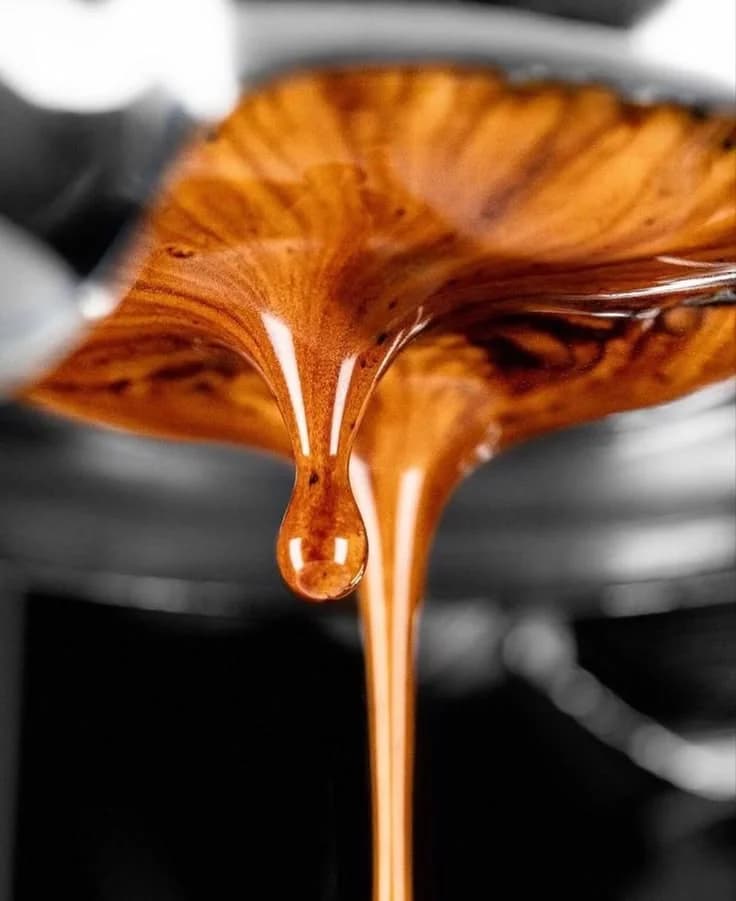
Crema in Coffee What It Is, Why It Matters, and Why It Doesn’t Define Quality
Introduction
When a perfectly pulled espresso lands in the cup, the first thing most people notice is not the aroma or the taste—it’s the crema.
That thin layer of golden-brown foam sitting on top of espresso has become one of the most recognizable visual signatures in coffee. For many, it represents quality, skill, and freshness. But here’s the truth:
Crema is important—but it is often misunderstood.
This article breaks down what crema really is, how it forms, what it tells us (and what it doesn’t), and how professionals should interpret it in modern coffee evaluation.
What Is Crema?
Crema is a stable foam formed on top of espresso during extraction. It is composed of:
- Carbon dioxide (CO₂) released from roasted coffee
- Coffee oils emulsified under pressure
- Fine suspended solids from the coffee grounds
- Water
When hot water under high pressure (typically ~9 bars) passes through coffee, it forces dissolved gases and oils out of the grounds, creating millions of tiny bubbles. These bubbles form a colloidal foam layer we call crema.

Comments (0)
No comments yet. Be the first to share your thoughts.