Why the next battle for yield, resilience, and farmer survival may be fought through fertilizer, soil chemistry, and geopolitical control
THE HIDDEN HUNGER
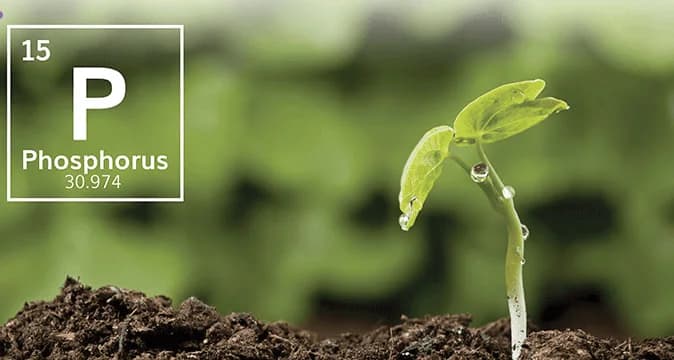
Phosphorus is not merely a fertilizer component—it is the bottleneck of life, as Isaac Asimov famously noted, with no substitute or replacement possible. For coffee specifically, phosphorus deficiency can reduce crop productivity by 30–40%, making it a non-negotiable input for maintaining yields in an era of climate volatility.
Recent research from Costa Rica's Starbucks Alsacia Farm (2024–2025) reveals a critical insight: soil phosphorus availability, not nitrogen fertilization strategies, ultimately determines coffee yield. In acidic tropical soils common to coffee-growing regions, phosphorus becomes locked in insoluble complexes with iron and aluminum, rendering it unavailable to plants despite being physically present in the soil.
This "hidden hunger" phenomenon means farmers can apply fertilizers while still watching their trees underperform. The research found that available phosphorus levels tripled in high-yielding sectors compared to low-yielding areas, with phosphorus identified as "the most limiting nutrient affecting productivity."
This has profound implications: coffee farmers worldwide may be nitrogen-fixated while silently starving their trees of the nutrient that actually constrains production.
KEY FINDING: Brazilian farmers apply 300–400 kg of nitrogen per hectare annually, but without addressing phosphorus bioavailability, much of this investment is wasted.


Comments (0)
No comments yet. Be the first to share your thoughts.